BCAAs after 40: Do you need them if you already get enough protein?
You’re trying to get stronger, keep the muscle you have and feel ready for your next workout. Then another tub shows up in your feed. This one promises better recovery with BCAAs.
Before you spend more, check what you already eat. BCAAs are part of the protein in foods and many protein powders. If your meals already cover your protein needs, there isn’t strong evidence that an extra BCAA supplement will help you build more muscle.
Some people may feel less sore after hard exercise, but that doesn’t establish better strength or muscle growth over time. The NIH overview of exercise supplements puts the limits of the evidence in context.
The quick answer
If you eat enough protein and train consistently, BCAAs are usually a low priority. If you struggle to eat enough, your first step is a fuller nutrition plan. Three amino acids cannot make up for missing meals.
If you have Crohn’s disease, another ongoing health condition, take medicines or are recovering from surgery, discuss supplements with your healthcare team. Unplanned weight loss and trouble eating deserve attention before you try to fix them with a workout drink.
This is general education, not a personal supplement prescription or treatment plan.
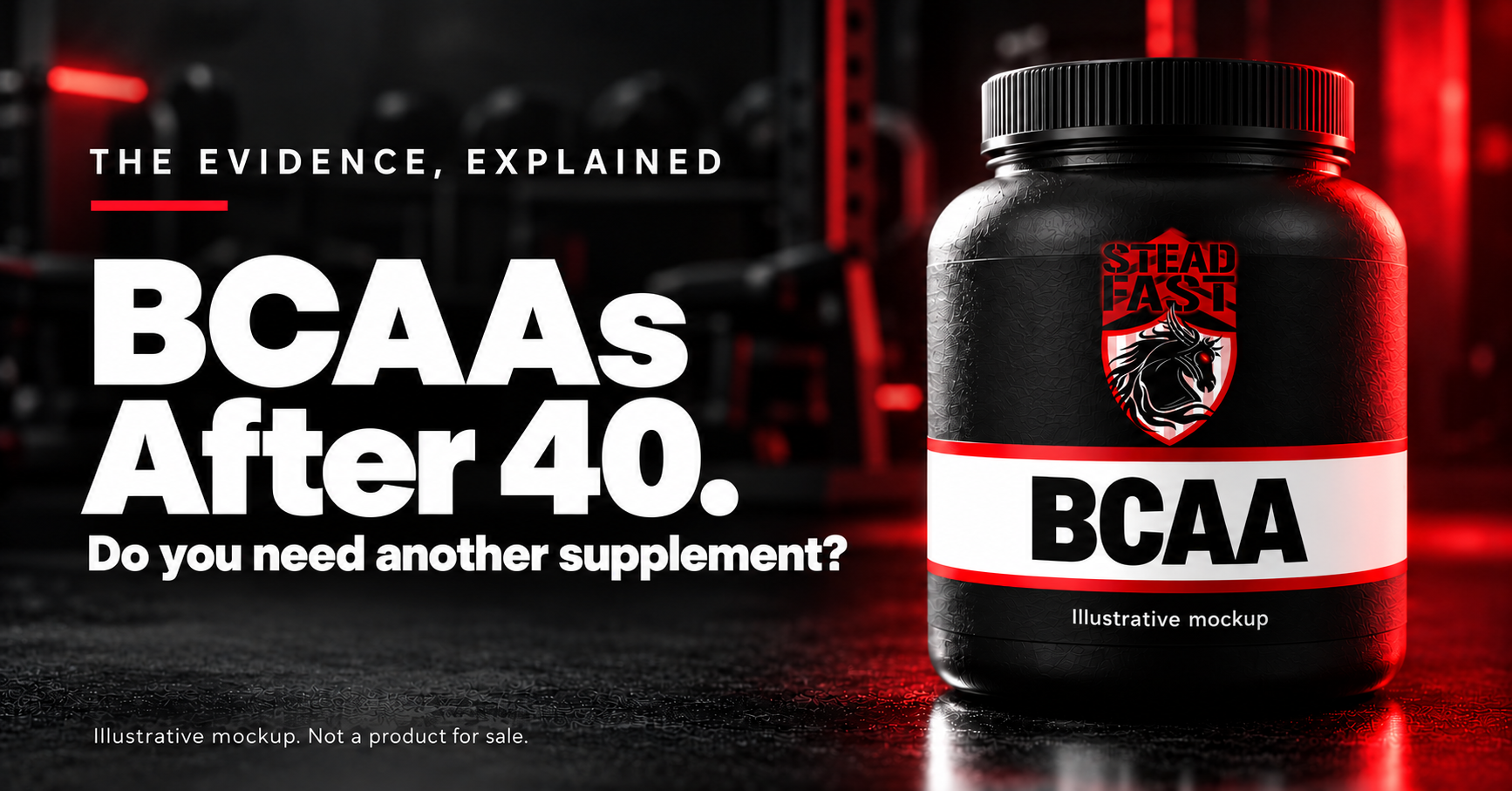
Table of contents
What are BCAAs?
BCAA stands for branched chain amino acid. Amino acids are the small parts your body uses to make proteins, including muscle proteins.
There are three BCAAs: leucine, isoleucine and valine. They belong to a group of nine essential amino acids. “Essential” means your body needs them from food because it can’t make enough on its own.
Leucine helps signal the muscle building process. That signal gets plenty of attention on supplement labels. But your body still needs the other essential amino acids to make new muscle protein.
You already get BCAAs when you eat foods such as eggs, dairy, meat, fish or soy. A separate tub is one way to buy them, not a requirement for getting them.
BCAAs, EAAs and protein: What’s the difference?
BCAAs are three of the nine essential amino acids. A BCAA supplement supplies those three. A complete EAA blend supplies all nine. Complete protein supplies all nine essential amino acids along with other amino acids.
That makes them different choices, even when their packaging makes them sound alike.
A protein food can also give you energy and other nutrients. A protein powder can be a convenient way to fill a protein gap. An amino acid blend should not be treated as a replacement for a balanced meal.
If you’re deciding between another amino acid drink and a protein source you tolerate, start by looking at what your day is missing. Our protein powder guide for adults over 40 can help you think through that choice.
Will BCAAs help you build more muscle?
A small study in young men found that BCAAs increased muscle protein synthesis, the process of making new muscle protein, for a short time after exercise compared with a placebo. That is a real finding. It is also a different question from whether you will gain more muscle over several months.
A short rise in that process doesn’t prove that adding BCAAs to an already adequate diet gives you extra size or strength. A 2025 review of BCAA studies found inconsistent benefits for strength and body composition.
For your own decision, ask: “What would this add that my food and training aren’t already providing?” A product should solve a real gap rather than add another step to your routine.
Age alone doesn’t settle it either. Much of the research involves younger adults. Studies in older people can involve very different diets, activity levels and health needs. One small 2025 study in older adults found promising changes in physical function with BCAAs and exercise. Its early results don’t establish a benefit for everyone over 40, including people with active autoimmune or digestive disease, who were excluded.
Your training plan still matters. Choose a level you can manage and progress gradually. If you are returning after an illness or operation, follow your healthcare team’s limits rather than trying to make up for lost time with harder workouts and more supplements.
What about soreness and recovery?
This is where the answer is more mixed. A review of recovery studies found less muscle soreness after demanding exercise. The broader 2025 review found inconsistent performance results.
Feeling less sore can be useful. It doesn’t necessarily mean you have repaired muscle faster, gained more muscle or are ready to train hard again.
If you’re sore after every session, look at the sessions themselves. Did you recently add exercises, sets or more weight? Are you doing more than you can currently recover from? A drink won’t tell you whether the workload fits your starting point.
Use your next workout as useful feedback. Notice whether you can move comfortably and complete the planned work with control. Stop the activity and seek medical advice for sharp pain, swelling or symptoms that worry you.
You don’t need to chase soreness to prove that a workout counted. And you don’t need a new supplement every time recovery feels slower than you’d like.
When eating enough is the bigger problem
Maybe your appetite is low. Maybe certain foods bother your stomach. Or you’re trying to rebuild after a stretch when you couldn’t eat or train normally.
In those situations, asking only “Which BCAA powder should I buy?” can miss the bigger issue. You may need help getting enough food overall, not just one part of protein.
Start with a simple look at a normal day. Which meals include a protein source? Which meals do you often skip? What can you eat comfortably? This is a way to spot gaps, not a test you need to pass.
If large meals are difficult, discuss smaller meals or an appropriate nutrition drink with a dietitian. A complete nutrition drink and a BCAA drink are not the same thing. The right choice depends on what you need and can tolerate.
For people with Crohn’s disease, symptoms and problems absorbing nutrients can make nutrition more complicated. NIDDK’s guidance on Crohn’s and nutrition recommends working with healthcare professionals to meet individual needs. A BCAA supplement is not an established treatment for Crohn’s disease.
Don’t assume that evidence about one digestive condition applies to every autoimmune condition. If you are losing weight without trying, eating less because of symptoms or struggling with fatigue, bring that to your care team. The Crohn’s & Colitis Foundation explains warning signs of poor nutrition.
A better first step for your budget
Before buying BCAAs, write down the problem you want them to solve.
If it’s getting enough protein, compare foods or protein options that fit your diet. If it’s soreness, review your training workload. If it’s poor appetite or unwanted weight loss, seek help with the cause and your full nutrition needs.
You don’t have to buy a supplement to make progress. Spending on something you can eat consistently may be more useful than adding another tub. That is a practical buying decision, not a claim that one food works for everyone.
If you’re sorting through several products, our supplements after 40 overview keeps the bigger picture in view. Creatine and HMB are different substances with different evidence. Their findings should not be borrowed to sell BCAAs, and reading about them isn’t a reason to take them all together.
If you still choose a BCAA product
Read the whole label. Check the actual serving size and ingredient amounts, not just the large number on the front. Look for allergens and any added stimulants or other ingredients you didn’t intend to take.
Independent testing programs can include label checks and screening for banned substances. It does not prove that the supplement will build muscle or improve recovery for you. Confirm a certification in the testing organization’s directory rather than trusting a logo alone.
The FDA does not approve dietary supplements for safety and effectiveness before sale. Tell your healthcare team about any supplements you use, especially when you take medicines or have an ongoing condition.
There is no personal BCAA dose recommendation here. Research protocols vary, and a study amount is not automatically the right amount for you. The first question is whether you need the product at all.
Common questions
Do I need BCAAs if I already use whey protein?
Whey already contains BCAAs along with the other essential amino acids. If your total protein intake meets your needs, there is not a strong case for adding BCAAs just because you lift weights. Check your full diet before buying more.
Are EAAs better than BCAAs?
A complete EAA blend supplies all nine essential amino acids, while BCAAs supply only three. That gives an EAA blend a fuller set of essential amino acids. It doesn’t mean you need either supplement, and neither replaces all the nutrients in a meal.
Do BCAAs burn fat?
They are not an established fat loss shortcut. Don’t choose a BCAA product because it promises a leaner body without changes to your overall habits. The evidence for body composition benefits is inconsistent.
Should I take BCAAs before or after a workout?
There isn’t a reason to worry about perfect timing before deciding whether BCAAs add anything useful to your diet. Meeting your overall nutrition needs and following a manageable training plan are more useful starting points.
Can BCAAs replace protein when my stomach is sensitive?
They do not provide a complete protein source or complete nutrition. If you struggle with food or protein drinks, work with a dietitian or your healthcare team on options you can tolerate. Don’t keep cutting foods without a plan to replace what you lose.
The bottom line
BCAAs are useful nutrients, but that doesn’t make an extra BCAA supplement necessary. If you already meet your protein needs, it is not a proven shortcut to more muscle. Some recovery findings are promising, but the results don’t justify guaranteed claims.
Start with the problem you actually have. Better meals, help with appetite or a more manageable workout plan may be the more useful next step.
Build a strength plan you can stick with
If you’re ready to get stronger but keep second guessing your workouts, Steadfast can help you plan your training. We offer local and online coaching. Medical symptoms and supplement treatment decisions stay with your healthcare team.
Enjoy our strength and mobility articles?
Add Steadfast Strength and Mobility as a preferred source on Google to see more of our training advice, educational articles, and practical fitness information.
Or choose Steadfast in Google’s source preferences
Be the first to comment