
Updated September 17, 2026.
High intensity interval training, or HIIT, alternates demanding exercise with easier recovery periods. It can be a useful way to improve fitness when time is limited. It does not have to involve burpees, jumping, or pushing yourself until you feel sick.
For adults over 40, the first question is whether the workout fits your current fitness, health, and recovery. The goal is a session you can perform well and recover from, then repeat consistently.
What Counts as HIIT?
HIIT describes the intensity and structure of a workout. Work intervals are vigorous relative to your capacity, with recovery between them. The duration, pace, and number of intervals can vary considerably. An all out sprint protocol is a particularly demanding form of interval training; it is not the default starting point.
A circuit with short rests is not automatically HIIT. If effort stays moderate, it is moderate interval training, which can still be valuable. Likewise, low impact means less landing impact, not necessarily low cardiovascular strain. Cycling can be gentle on the joints and still very demanding.
What HIIT Can Help With
Aerobic fitness. One outcome commonly studied is VO₂ Max, the maximum rate at which your body can use oxygen during intense exercise. Appropriately prescribed intervals can help improve this measure of cardiorespiratory fitness.
Time efficiency. Some interval programs achieve useful improvements with less training time than continuous exercise. That does not mean any 20 minute session equals an hour of cardio. Results depend on the protocol and the outcome being measured.
Variety. Alternating effort and recovery gives a session a clear structure. Some people enjoy that rhythm; others prefer a steady walk or bike ride. Choose a format you can sustain. ACSM discusses the benefits and limits of HIIT.
Fat Loss and the Afterburn Effect
The EPOC, or afterburn effect, is the extra oxygen your body uses above resting levels after exercise. It is real, but the additional energy expenditure is usually modest compared with the exercise itself. Feeling hot or sweaty cannot tell you how many extra calories you are burning.
A review of exercise intensity and EPOC found that expectations about its contribution to weight loss were often overstated. Avoid choosing a workout mainly for a promised afterburn.
HIIT is also not a guaranteed winner for fat loss. A 2017 review of 13 trials found similar body composition improvements with HIIT and moderate continuous training in adults with overweight or obesity. Participants were 18 to 45, so those results do not establish the best program for every older adult.
For practical weight management, consider the whole week: food intake, activity, strength work, sleep, and how reliably you follow the plan. A demanding session that leaves you unable to train consistently is a poor fit.
Choose a Movement You Can Control
A stationary bike is one option because you can adjust resistance without adding jumps. An elliptical or a familiar walking route may also suit interval practice. Rowing requires enough technique to maintain position as you tire. Running intervals make more sense after you have built a comfortable running base.
Keep strength sessions focused on controlled repetitions and appropriate rest. Turning every lift into a race can make technique and load selection harder. If muscle growth is your main goal, build the week around progressive resistance training rather than relying on HIIT alone.
A Gentle Introduction to Intervals
This coaching example is moderate interval practice, not a maximal HIIT prescription. It is intended for an otherwise healthy adult who already tolerates easy cycling. Medical exercise limits take priority over this example.
- Warm up for 5 minutes. Pedal easily and gradually find a comfortable rhythm.
- Pedal somewhat harder for 30 seconds. Aim for about 5 to 6 out of 10 effort, with smooth movement and controlled breathing.
- Pedal easily for 90 seconds. Let breathing settle before the next interval.
- Repeat the pair 4 times in total. That gives you 8 minutes of interval practice.
- Cool down for 5 minutes. Gradually return to an easy pace.
Total time: 18 minutes. Shorten the session or stay at an easy pace if that is what you can manage comfortably. There is no need to reach exhaustion to make the session worthwhile.
Record how the session felt and how you recover. Repeat it before making it harder. When it becomes comfortable, change one variable at a time, such as adding one interval. Do not simultaneously raise resistance, extend work periods, and shorten recovery.
How Often Should You Do It?
Start by fitting one interval practice session into your existing week. If you recover well, a second session on another day may be reasonable. This is a conservative coaching starting point, not a universal research prescription.
Keep easier days between demanding sessions. If interval work reduces the quality of your strength training, disrupts sleep, or leaves you persistently fatigued, reduce the workload. Progress can mean doing the same session with better control or less perceived effort.
Steady cardio remains useful. You do not need to turn every walk, bike ride, or gym visit into a hard workout.
When to Modify or Get Medical Guidance
If you have cardiovascular disease, uncontrolled blood pressure, an aneurysm, significant symptoms, or are returning after surgery, ask your treating clinician what intensity is appropriate before attempting vigorous intervals. Lower impact exercise does not remove cardiovascular risk.
Heart rate formulas and wearable targets are estimates. Some medications alter the heart rate response, so follow individualized guidance rather than chasing a generic number.
Stop exercising for chest pain, faintness, unusual breathlessness, or concerning palpitations. Seek urgent care for severe or persistent symptoms. Joint pain or deteriorating technique is a reason to stop and adjust the movement, not push through another round.
Common Questions
Do I have to sprint or jump?
No. Exercise selection should match your skills and physical needs. Intensity comes from the effort, not a requirement to leave the ground.
Should every interval feel maximal?
No. All out work is a specific training choice. A beginner can first learn the work and recovery pattern at a moderate effort.
Will HIIT preserve muscle while I lose weight?
Do not treat that as a guarantee. Keep resistance training and appropriate nutrition central to the plan.
How quickly will I see results?
There is no guaranteed timeline. Track repeatable measures such as pace, resistance, and perceived effort across several weeks, alongside recovery.
Do I need special recovery equipment?
No. A gradual cool down, regular meals, and adequate rest are more useful foundations than buying accessories. Stretching is optional and should feel comfortable; it does not guarantee prevention of soreness.
Equipment Already Featured in This Article
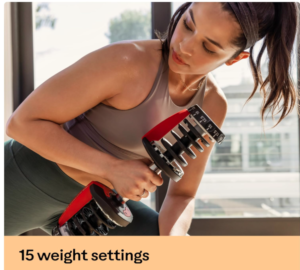
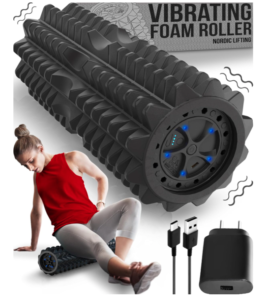
The existing product links below are optional browsing resources. No purchase is needed for the starter session beyond access to a suitable bike. A basic timer can handle the intervals. Check current product specifications and suitability before buying.

Build a Plan You Can Repeat
Your conditioning should support your life and your strength training. Choose manageable sessions, keep a record, and increase demands only when you are ready.
Steadfast can help you fit strength, mobility, and conditioning around your schedule. Contact Steadfast about a personalized training plan.
Sources
- Powell, K. (2019). High Intensity Interval Training: For Fitness, for Health or Both? ACSM.
- Wewege, M., et al. (2017). HIIT versus moderate continuous training and body composition: systematic review and meta analysis. Obesity Reviews, 18, 635–646.
- LaForgia, J., Withers, R. T., and Gore, C. J. (2006). Effects of exercise intensity and duration on EPOC. Journal of Sports Sciences, 24, 1247–1264.
The starter session is a coaching example, not a protocol copied from these studies. This article provides general education rather than individualized medical advice.
Enjoy our strength and mobility articles?
Add Steadfast Strength and Mobility as a preferred source on Google to see more of our training advice, educational articles, and practical fitness information.
Or choose Steadfast in Google’s source preferences
Be the first to comment